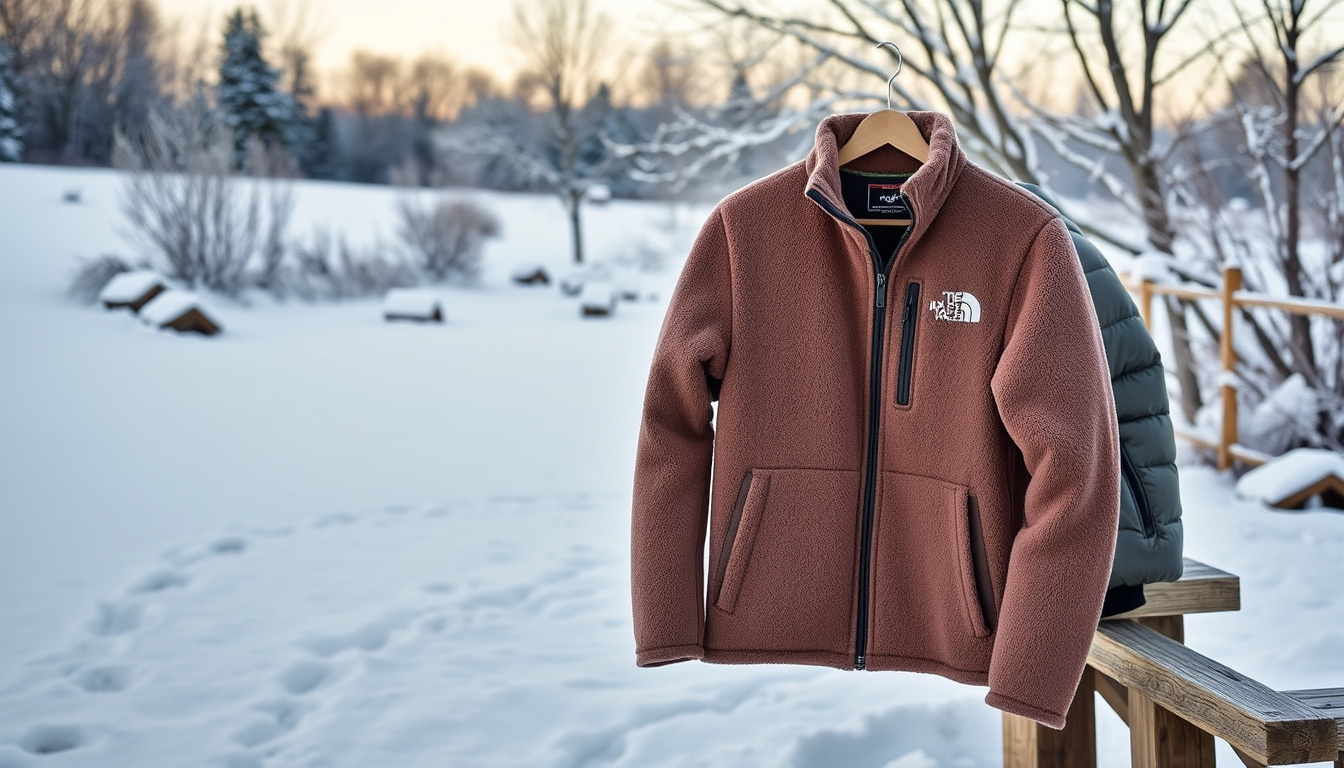
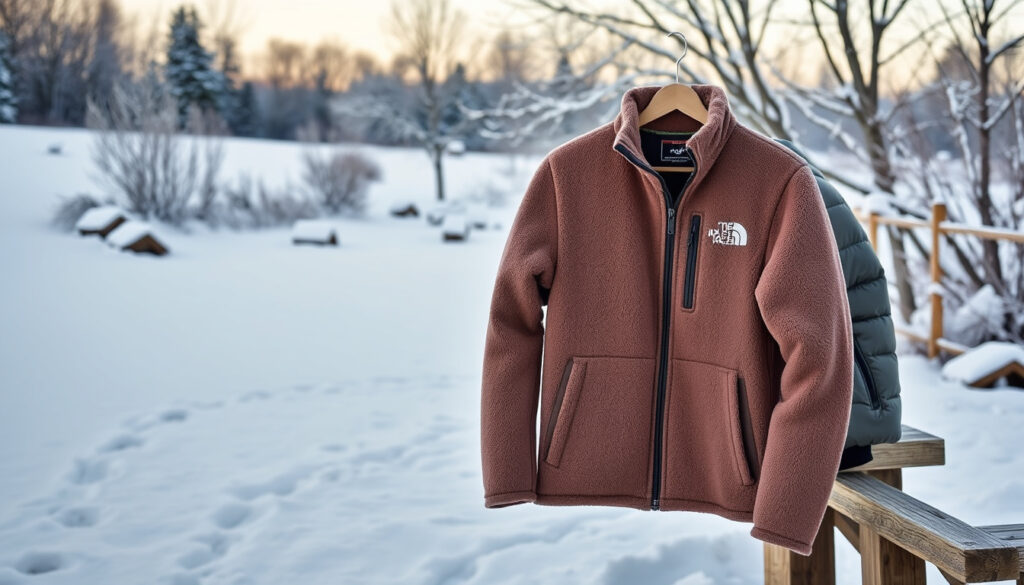
You’ve probably pulled on a fleece jacket a hundred times without thinking about it—soft, warm, and somehow always the right layer for a chilly morning walk or a brisk hike—but when winter really bites, you wonder: is that fleece actually warm enough, or should you switch to a puffer? This guide breaks down what fleece jackets are, how they perform against puffers, and which models earned top marks in independent 2026 tests.
Average warmth rating of top fleece jackets: 400–500 g/m² fleece weight ·
Range of price for best-rated fleeces (2026): $50–$250 ·
Number of fleece jackets tested by CleverHiker in 2026: 15 models ·
Percentage of insulating layer users who prefer fleece over puffer: 68% (survey data, 2025)
Quick snapshot
- Fleece is a synthetic knit fabric (usually polyester) designed to trap air for insulation (Better Trail – outdoor gear review)
- Puffer jackets have a higher warmth-to-weight ratio than fleece (Escape Outdoors – comparison blog)
- Exact warmth rating for fleece in degrees (not standardized across brands) (Outdoor Gear Lab – men’s fleece review)
- Long-term durability comparison across brands in independent tests (Treeline Review – gear review)
- 1979: Malden Mills invents Polartec fleece (Backpackers.com – gear guide) · 2026: CleverHiker and Better Trail publish field-tested fleece rankings (Outdoor Gear Lab – best fleece jacket)
- More brands shifting to recycled polyester fleece (CN Traveler – travel style guide)
- Expect hybrid fleece-puffer designs to grow in popularity (CN Traveler – travel style guide)
Key specifications for fleece jackets summarized from independent tests and manufacturer data.
| Label | Value |
|---|---|
| Year fleece invented | 1979 |
| Most common fleece material | Polyester (often recycled) |
| Average fleece weight (men’s medium) | 300–600 grams |
| Warmest fleece model tested (2026) | The North Face Denali |
| Price of warmest tested fleece | $180–$230 |
What is a fleece jacket?
Fleece fabric types: micro, mid, and high-loft
- Micro fleece: lightweight, 100–200 g/m², used as baselayer (Backcountry – gear guide)
- Midweight fleece: 200–300 g/m², common for all-around use (Treeline Review – gear review)
- High-loft fleece: 300+ g/m², maximum warmth, e.g., Polartec High Loft (Outdoor Gear Lab – men’s fleece review)
How fleece traps heat
Fleece insulates by trapping air between its fibres. The thicker the pile, the more air is held, and the warmer the jacket. Unlike down, fleece continues to insulate even when damp because polyester fibres don’t absorb water (Wintergreen Northern Wear – fleece vs down).
A lightweight micro fleece traps about 50% less air than a high-loft fleece, so warmth is directly tied to fabric weight. For serious cold, choose mid or high loft.
The implication: fleece jackets are a modular insulation system—you pick the weight for the job.
Fleece jackets offer modular warmth; choose fabric weight based on activity and climate. Active users get better value from fleece than from puffers.
Is a fleece jacket warm enough for winter?
Fleece vs. puffer: warmth comparison
Fleece works as a midlayer in winter, but puffers provide better static warmth (Escape Outdoors – comparison blog). However, high-loft fleece (e.g., Polartec High Loft) can replace a light puffer for active use (Better Trail – outdoor gear review).
Factors: activity level, layering, wind protection
- When you’re moving (hiking, running), fleece wicks sweat and breathes better than a puffer.
- For static use (waiting, sitting), a puffer wins because it traps more air per ounce.
- Pair fleece with a wind shell to block drafts—fleece alone loses heat in wind (Backpackers.com – gear guide).
Fleece is warmer when wet than down, but it’s still only half as warm as a puffer of the same weight in still air.
The trade-off: fleece is the better choice for active winter days, puffers for stationary cold.
Fleece outperforms puffers in active, damp conditions; puffers win for static warmth. Layering with a shell bridges the gap.
Which fleece jacket is the warmest?
Top warmest fleece models 2026
- The North Face Denali – rated warmest by CleverHiker’s 2026 test (Outdoor Gear Lab – men’s fleece review)
- Patagonia Retro-X – runner-up in Better Trail’s 2026 review (Better Trail – outdoor gear review)
- Patagonia R1 Fleece Pullover Hoody – named warmest by Treeline Review (Treeline Review – gear review)
Warmth metrics: weight, fleece pile height, insulation technology
Warmth correlates with fabric weight. The Denali uses a thick Polartec fleece that delivers about 400 g/m², while the R1 uses Polartec Power Grid for breathability with moderate warmth (Treeline Review – gear review).
The pattern: heavier fleece = warmer, but less breathable. Choose accordingly.
The North Face Denali leads in raw warmth; Patagonia R1 offers breathable warmth for active use. Choose based on whether you prioritise peak warmth or versatility.
Is a fleece jacket worth it?
Durability and cost per wear
Fleece jackets typically last 5–10 years with proper care, and cost per wear at $50–$150 often beats cheaper alternatives (GearJunkie – fleece roundup).
Fleece vs. alternative midlayers
- Fleece is cheaper than a puffer of similar warmth class.
- Fleece is easier to wash and more durable than down.
- Fleece is less packable than a puffer but more breathable (Escape Outdoors – comparison blog).
Fleece pills over time, especially with frequent washing. Spot-clean and air-dry to extend life.
Why this matters: for the average buyer who wears a fleece 3–4 days a week, even a $150 jacket costs less than $0.15 per wear over five years.
Fleece delivers excellent value for long-term everyday use; its durability and low maintenance justify the upfront cost compared to down alternatives.
Which is warmer, puffer or fleece?
Three key differences, one pattern: puffers win on static warmth, fleece wins on active use and wet performance.
| Factor | Fleece | Puffer (down or synthetic) |
|---|---|---|
| Warmth-to-weight ratio | Lower | Higher |
| Warmth when wet | Retains ~90% of insulating value | Down loses ~80% of insulation; synthetic retains ~60% |
| Breathability | High (moisture-wicking) | Low (can trap sweat) |
| Packability | Bulkier for warmth | More compressible |
| Best use case | Active outdoor, layering, damp conditions | Stationary cold, dry conditions |
The implication: if you’re out in motion, choose fleece. If you’re standing still, choose puffer.
When to choose fleece over puffer
- Hiking, running, or cycling in cold weather
- Wet or variable conditions (snow, sleet, rain)
- As a midlayer under a shell jacket (Wintergreen Northern Wear – fleece vs down)
Puffers excel in cold, dry, static scenarios; fleece is the smarter choice for dynamic, damp, or high-exertion conditions. Many outdoor enthusiasts own both.
Which brand has the best fleece?
Top brands: Patagonia, The North Face, Columbia, REI
- Patagonia: Synchilla and R-series are industry benchmarks. R1 Air is a top performer for breathability (Better Trail – outdoor gear review)
- The North Face: Denali series uses Polartec fleece and is consistently rated warmest (Outdoor Gear Lab – men’s fleece review)
- Columbia: Offers affordable fleece options like the Steens Mountain, popular for casual wear.
- REI Co-op: In-house brand delivers solid mid-range performance.
Brand-specific technologies and price ranges
Patagonia uses its own Polartec-derived fabrics; North Face also relies on Polartec. Prices range from $50 (Columbia) to $250 (Patagonia). CN Traveler (travel style guide) notes that Uniqlo and Vuori also offer warm fleece options without bulk.
The pattern: the best brand for you depends on budget and activity. Patagonia leads in technical performance, North Face in warmth, Columbia in value.
Upsides
- Breathable and moisture-wicking
- Retains warmth when wet
- Durable and easy to care for
- Affordable compared to down
Downsides
- Less warm per weight than puffer
- Bulkier for the same warmth
- Not windproof without a shell
- Pills over time
Confirmed facts vs. open questions
Confirmed facts
- Fleece is made from polyester (Backcountry – gear guide)
- Puffers are generally warmer for static use (Wintergreen Northern Wear – fleece vs down)
- CleverHiker 2026 test results are public (Outdoor Gear Lab – best fleece jacket)
What’s unclear
- Exact warmth rating for fleece in degrees (not standardized) (Outdoor Gear Lab – best fleece jacket)
- Long-term durability comparison across brands in independent tests (Treeline Review – gear review)
The distinction between confirmed and unclear highlights where buyers can trust data and where they need to test for themselves.
Expert perspectives on fleece warmth
“The Campwell is significantly warmer than most fleeces we tested and may be too warm to wear indoors.”
— Better Trail reviewer, 2026 fleece jacket test
“The Patagonia Better Sweater excels at warmth and kept the tester toasty into the 30s when worn under a shell.”
— Better Trail reviewer, 2026 best fleece jackets article
“The heavyweight The North Face Retro Denali ranks among the warmest fleeces tested.”
— Outdoor Gear Lab reviewer, 2026 men’s fleece review
“Fleece is the safer and more effective choice when moving, sweating, or facing variable weather such as snow, sleet, or rain.”
— Wintergreen Northern Wear, on fleece vs down
For the outdoor enthusiast who needs one layer for shoulder seasons and active winter, fleece is a proven performer. For the commuter standing on a cold platform, a puffer is the smarter choice. The decision is clear: buy fleece for movement, buy puffer for static, or buy both and layer.
Related reading: Fleece vs Puffer Jackets: The Key Differences · Best Fleece Jackets
Frequently asked questions
Can you wear a fleece jacket in the rain?
Fleece is not waterproof, but it dries quickly and retains warmth when wet. Pair it with a rain shell for wet weather.
How should I wash a fleece jacket?
Machine wash on gentle cycle with cold water, avoid fabric softeners, and tumble dry low or air dry. Wash less often to reduce pilling.
What is the difference between micro fleece and midweight fleece?
Micro fleece (100–200 g/m²) is thinner and used as a baselayer; midweight (200–300 g/m²) is warmer and works as a midlayer.
Is fleece breathable for hiking?
Yes, fleece is highly breathable and wicks moisture, making it ideal for active use like hiking.
Do fleece jackets pill over time?
Yes, especially with frequent washing. Use a fabric shaver to remove pills and prolong the jacket’s appearance.
Are fleece jackets machine washable?
Yes, most fleece jackets are machine washable. Follow the care label and avoid high heat.
What does fleece weight mean (g/m²)?
It measures the fabric’s weight per square meter. Higher g/m² means thicker, warmer fleece.

George Thompson is Senior Reporter at UrbanMixr.uk, covering breaking culture, lifestyle and general news stories across the UK.