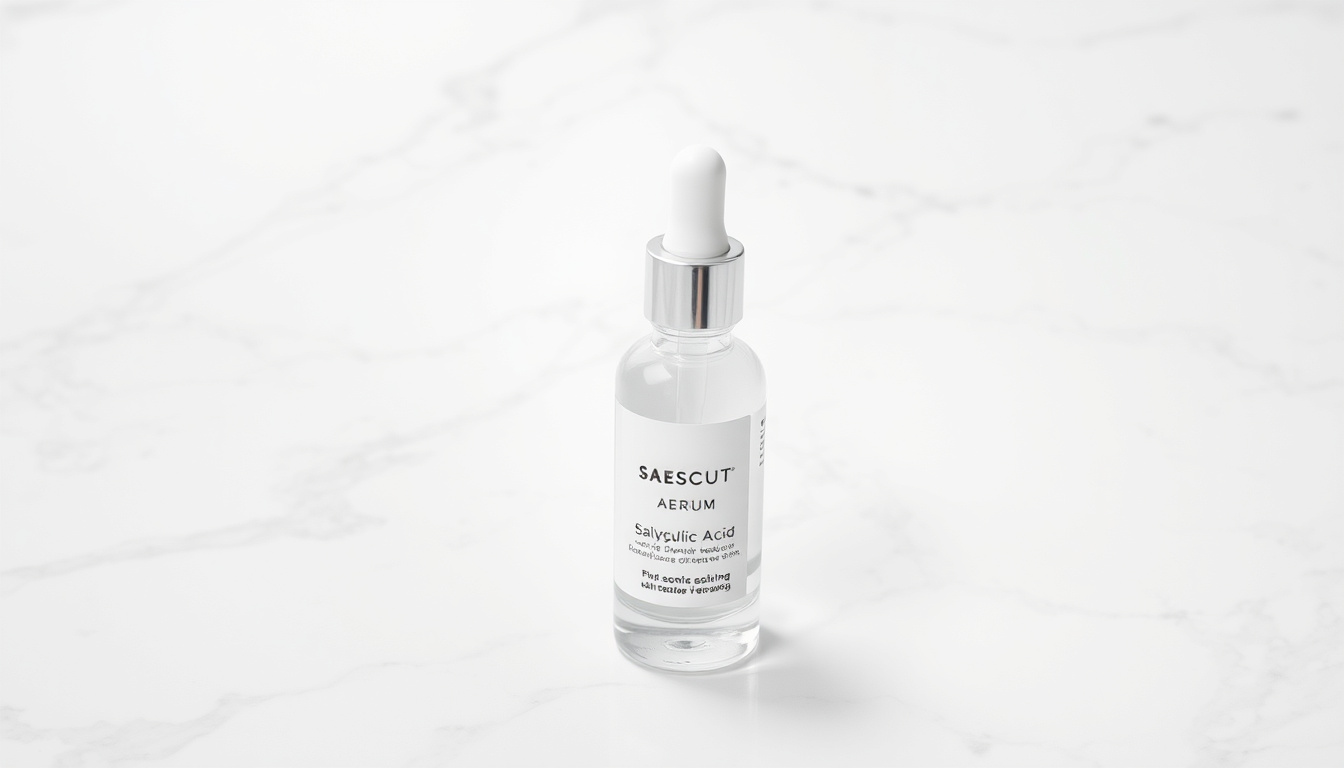
If you’ve ever scanned a skincare product label, chances are salicylic acid jumped out at you. It’s one of the most frequently recommended ingredients for acne-prone and oily skin — and for good reason. The compound works by dissolving the kind of skin debris that clogs pores and triggers breakouts, according to dermatology-focused sources like Clinikally and Oliva Clinic. Below, a detailed breakdown of what salicylic acid actually does, how it compares to niacinamide, and what you should know before making it part of your routine.
Primary use: Acne treatment · Key action: Unclogs pores · Properties: Anti-inflammatory, antibacterial · Exfoliation type: Chemical
Quick snapshot
- Unclogs pores and clears blackheads/whiteheads (Clinikally skincare research)
- Anti-inflammatory properties similar to aspirin (Clinikally dermatology guide)
- Dissolves keratin-sebum plugs inside pores (Minimalist ingredient analysis)
- Direct impact on DHT levels and hair growth
- Systemic effects on the body beyond topical use
- Precise timeline for visible results
- 2-3 times weekly recommended above 2% (Elchemy sourcing guide)
- Daily use possible at lower concentrations (Elchemy sourcing guide)
- Night application generally preferred (Elchemy sourcing guide)
- Patch test before full use (Minimalist application guide)
- Start 2-3 times weekly for new users (Minimalist application guide)
- Moisturize after to prevent dryness (Minimalist application guide)
The following specifications provide quick reference for salicylic acid’s key parameters and typical usage contexts.
| Property | Detail |
|---|---|
| Chemical class | Beta hydroxy acid (BHA) |
| Common source | Willow bark derivative |
| Topical strength | 0.5–2% for OTC products |
| Skin type suitability | Oily, acne-prone skin |
| Primary function | Exfoliates pores, clears blackheads/whiteheads |
| Key mechanism | Dissolves sebum and dead skin inside pores |
What does salicylic acid do for your face?
Acne and blackheads
Salicylic acid targets comedonal acne — the type that shows up as blackheads and whiteheads — by penetrating directly into pores. Unlike alpha hydroxy acids that work on the skin’s surface, salicylic acid is oil-soluble, meaning it can enter the oily environment inside pores and dissolve the buildup there. According to Clinikally, the ingredient breaks down desmosomes (the protein connections holding skin cells together) to promote normal shedding and prevent pores from becoming clogged.
Pore treatment
By removing excess sebum and dead skin cells from within the pore lining, salicylic acid reduces the appearance of enlarged pores. Research from Truly Beauty notes that salicylic acid penetrates pores to clear accumulated gunk, making it particularly effective for oily, congested skin. While pores don’t technically change size, keeping them clear makes them appear smaller and less visible.
Exfoliation benefits
Salicylic acid provides chemical exfoliation by working inside pores rather than just on the surface. Minimalist notes that it dissolves keratin plugs, regulates skin cell turnover, and fights blemishes in oily acne-prone skin. This internal exfoliation reaches deeper layers than physical scrubs can, addressing the root cause of pore congestion.
What does salicylic acid do to acne?
Blackheads and whiteheads
Salicylic acid is considered particularly effective for non-inflamed acne lesions like blackheads and whiteheads. Clinikally reports that it enters pores, dissolves sebum and dead cells, and inhibits comedone production — the technical term for the plugs that form blackheads and whiteheads. Multiple sources confirm that salicylic acid both prevents new comedones from forming and helps clear existing ones.
Warts treatment
Beyond facial skincare, salicylic acid is commonly used in over-the-counter wart treatments. The same keratolytic (skin-dissolving) properties that make it effective for blackheads also help break down the thickened skin that constitutes warts. Products containing salicylic acid in concentrations up to 40% are available for wart removal without prescription.
Salicylic acid addresses multiple stages of acne formation: it prevents pores from clogging in the first place, clears existing blockages, and reduces the inflammation associated with breakouts. This multi-stage action is why dermatologists frequently recommend it as a first-line acne treatment.
What happens if you use salicylic acid every day?
Daily application safety
Daily use of salicylic acid is possible, but it depends on concentration and your skin’s tolerance. Elchemy notes that products above 2% concentration are best limited to 2-3 times weekly to avoid over-drying the skin. Lower concentrations (0.5–2%) may be used daily, especially in leave-on products like toners or serums. Starting slowly and building frequency helps your skin adjust without irritation.
Frequency recommendations
Most skincare experts recommend beginning with 2-3 applications per week, then increasing frequency only if your skin tolerates it well. Signs that you may be overusing salicylic acid include excessive dryness, flaking, redness, or a tight feeling in the skin. If these occur, reduce frequency and ensure you’re following with a gentle moisturizer. Niacinamide can be helpful here — according to research, it has a very low irritation risk and can counteract some of salicylic acid’s drying effects.
Overusing salicylic acid can compromise your skin barrier. When the barrier is damaged, skin becomes more prone to irritation and may actually produce more oil as a compensatory response, potentially worsening acne long-term.
What is better, niacinamide or salicylic acid?
Key differences
Salicylic acid and niacinamide work through fundamentally different mechanisms. Salicylic acid directly unclogs pores and exfoliates from within, making it the more effective choice for actively treating existing blackheads, whiteheads, and congested skin. Niacinamide, on the other hand, reduces inflammation, minimizes post-acne blemishes, and controls oil production — but is less effective at clearing clogged pores on its own, according to Clinikally.
When to choose each
For oily, acne-prone skin with visible blackheads, salicylic acid is typically the stronger choice. For skin experiencing redness, sensitivity, or post-inflammatory hyperpigmentation (the dark marks left after breakouts heal), niacinamide may be more beneficial. Many dermatologists and skincare experts now recommend using both ingredients together for comprehensive acne care — salicylic acid to clear existing congestion, niacinamide to calm inflammation and support the skin barrier.
This comparison table outlines the primary distinctions between these two popular skincare ingredients across key parameters.
| Aspect | Salicylic acid | Niacinamide |
|---|---|---|
| Best for | Blackheads, whiteheads, congested pores | Redness, post-acne marks, barrier support |
| Key mechanism | Oil-soluble exfoliation inside pores | Anti-inflammatory, oil regulation |
| Skin type | Oily, acne-prone | All skin types |
| Concentration | 0.5–2% OTC, up to 30% professional | 5% typical for daily use |
| Drying risk | Moderate to high | Very low |
These ingredients aren’t rivals — they’re complementary. For comprehensive acne treatment, salicylic acid handles pore congestion while niacinamide addresses inflammation and oil regulation. The combination approach is supported by multiple dermatology sources and is particularly effective for mixed acne presentations.
What should you never mix with salicylic acid?
Common incompatibles
Salicylic acid should not be combined with other strong acids, particularly alpha hydroxy acids (AHAs) like glycolic or lactic acid. Using multiple exfoliating acids together dramatically increases the risk of skin irritation, dryness, and barrier damage. Similarly, combining salicylic acid with vitamin C serums or retinol products can overwhelm the skin and cause redness, peeling, and sensitivity.
Safe combinations like niacinamide
Niacinamide is one of the safer ingredients to combine with salicylic acid, and the two actually complement each other well. According to Oliva Clinic, combining salicylic acid and niacinamide enhances acne treatment through dual exfoliation and anti-inflammatory effects. The niacinamide helps counteract potential dryness from salicylic acid while providing its own pore-refining benefits. When using both, apply salicylic acid first (let it absorb), then follow with niacinamide.
Salicylic acid works best at lower pH levels, while some other active ingredients require different pH environments to be effective. Mixing them can neutralize both, reducing efficacy. For maximum benefit from each ingredient, consider using them at different times of day or on alternate days rather than in the same application.
How to use salicylic acid in your skincare routine
Both ingredients work together to reduce oil production, clear clogged pores, reduce bacterial overgrowth, and soothe breakouts — but only when applied correctly.
- Patch test first. Apply a small amount of product to your inner forearm or behind your ear 24-48 hours before using it on your face. Discontinue if you experience redness, itching, or irritation. This is especially important if you have sensitive skin or are using higher concentrations.
- Cleanse your face. Start with a gentle, non-creaming cleanser to remove makeup, sunscreen, and surface oils. Clean skin allows salicylic acid to penetrate more effectively.
- Apply to affected areas. Rather than applying salicylic acid all over your face, target it to areas prone to congestion — typically the T-zone, cheeks, and chin. Using too much increases the risk of dryness without additional benefit.
- Wait before layering. Allow 1-2 minutes for salicylic acid to absorb before applying other products. Follow with niacinamide (if using), then a lightweight moisturizer.
- Build frequency gradually. Start with 2-3 applications per week, then increase only if your skin tolerates it well. Monitor for signs of overuse: tightness, flaking, or redness indicates you should scale back.
- Follow with sunscreen. Salicylic acid increases skin sensitivity to the sun. Apply SPF 30+ in the morning, even on cloudy days.
Results don’t happen overnight. Most users see initial improvements in skin texture within 1-2 weeks, but meaningful reduction in blackheads and whiteheads typically takes 4-8 weeks of consistent use. Stopping too early is one of the most common reasons people feel salicylic acid “doesn’t work” for them.
Salicylic acid works by breaking down desmosomes, the protein connections that hold skin cells together, which promotes the normal shedding of dead skin. — Clinikally skincare expert
Niacinamide is a multi-tasker for overall skin health, while salicylic acid is a targeted acne fighter. — Elchemy sourcing expert
For those dealing with acne-prone skin, the choice between salicylic acid and niacinamide isn’t actually a choice at all — it’s about understanding what each ingredient does best. Salicylic acid tackles the physical congestion that causes blackheads and whiteheads, while niacinamide addresses the inflammatory component and supports overall skin health. Used together strategically, they offer more comprehensive acne care than either ingredient alone.
Related reading: What does the spleen do
olivaclinic.com, trulybeauty.com, sandandsky.com, cosmetify.com, worldofasaya.com, koreabe.com, thepinkfoundry.com, thedeconstruct.in, bebeautiful.in
Salicylic acid excels at unclogging pores for acne relief and treating warts, much like the applications outlined in this detailed salicylic acid guide.
Frequently asked questions
Does salicylic acid affect DHT?
The relationship between topical salicylic acid and DHT (dihydrotestosterone, a hormone linked to hair loss) is not well-established in clinical research. While oral aspirin (a related compound) has been studied in relation to DHT, there’s no substantial evidence that topical salicylic acid affects systemic hormone levels. Anyone concerned about hair loss should consult a dermatologist for targeted advice.
What does salicylic acid do for hair?
Salicylic acid is occasionally included in scalp exfoliating products to help remove buildup and dead skin cells from the scalp. However, it’s not a primary hair-care ingredient, and its benefits for hair growth or health are not well-documented in research. For scalp health concerns, ingredients like ketoconazole or zinc pyrithione have more established efficacy.
Will salicylic acid remove open pores?
Salicylic acid cannot physically change pore size, as pore diameter is determined by genetics and age. However, by keeping pores clear of congestion, salicylic acid can make pores appear less visible. Multiple sources note that niacinamide may also contribute to a tighter-looking pore appearance by increasing skin elasticity.
Is salicylic acid better at day or night?
Night application is generally preferred for salicylic acid. During sleep, the skin undergoes repair processes that may enhance the ingredient’s effectiveness. Additionally, salicylic acid increases sun sensitivity, making morning application more risky unless paired with careful sunscreen use. Night application also allows the ingredient to work uninterrupted by makeup or other products.
What does salicylic acid do for the body?
Beyond facial skincare, salicylic acid is used in body acne treatments (for chest, back, and shoulder breakouts), wart removal products, and callus/corn treatments for feet. The keratolytic properties that make it effective for facial acne work equally well on other body areas with thickened or congested skin.
What can treat large facial pores?
Large pores can be managed through salicylic acid (to clear congestion inside pores), niacinamide (to improve skin elasticity and reduce oil), and consistent sun protection (UV exposure degrades collagen supporting pores). For persistent large pores, professional treatments like chemical peels, microneedling, or laser therapy offer more dramatic improvement. Consistent use of salicylic acid as part of a routine is the most evidence-based approach for at-home management.
For anyone with oily, acne-prone skin, salicylic acid deserves serious consideration — not as a miracle cure, but as one of the most evidence-backed topical ingredients available for addressing the root causes of congestion. Used consistently and paired with supportive ingredients like niacinamide, it offers a practical, accessible approach to clearer skin without the irritation risk of stronger treatments.

Sophie Larkin is Culture & Events Editor at UrbanMixr.uk, covering UK culture, events, festivals, arts and pop culture.