
You hear a friend swear they’ve seen one, or maybe you’ve spotted a suspicious red mark on your arm and now your skin is crawling. Bed bugs have a way of turning a calm night into a series of frantic Google searches, but this guide cuts through the noise with evidence-based facts to help you approach the situation with a clear head and a practical plan.
Before we dive into the actionable steps, let’s establish a baseline of what you’re dealing with. This isn’t about science fiction; it’s about small, resilient pests that have a well-documented impact on public health and peace of mind.
How could you tell if you have bed bugs?
Knowing what you’re looking for is the first line of defense. It prevents the “phantom itching” panic from leading you astray and ensures you target your efforts where they count.
Bed bugs are small parasitic insects that feed on human blood, and their presence is not a reflection of a dirty home. They are opportunistic and expert hiders, which is why they’ve made a comeback even in the cleanest of environments.
Confirmed Facts & Quick Reference
- Mattress seams, box springs, and bed frame joints. (US EPA)
- Cracks in headboards, baseboards, and furniture joints. (US EPA)
- Behind wall hangings and under loose wallpaper. (US EPA)
What time of year is worst for bed bugs?
Research does not indicate a worst season; bed bugs can infest year‑round. Infestations often spike after travel periods, but there is no predictable seasonal peak.
How many bed bugs do you have if you see one?
A single bug is a warning, but not necessarily a crisis. Do not panic; a single bug does not guarantee an infestation. (US EPA)
How to locate a bed bug nest?
Bed bugs do not build true nests. They aggregate in crevices; locate them by following fecal stains, shed skins, and the bugs themselves. (US EPA)
If you’ve spotted a possible bug, a quick inspection of the seams of your mattress and the joints of your nightstand can provide your first piece of evidence. Early detection is your best ally in avoiding a full-blown infestation.
Life Cycle and Appearance
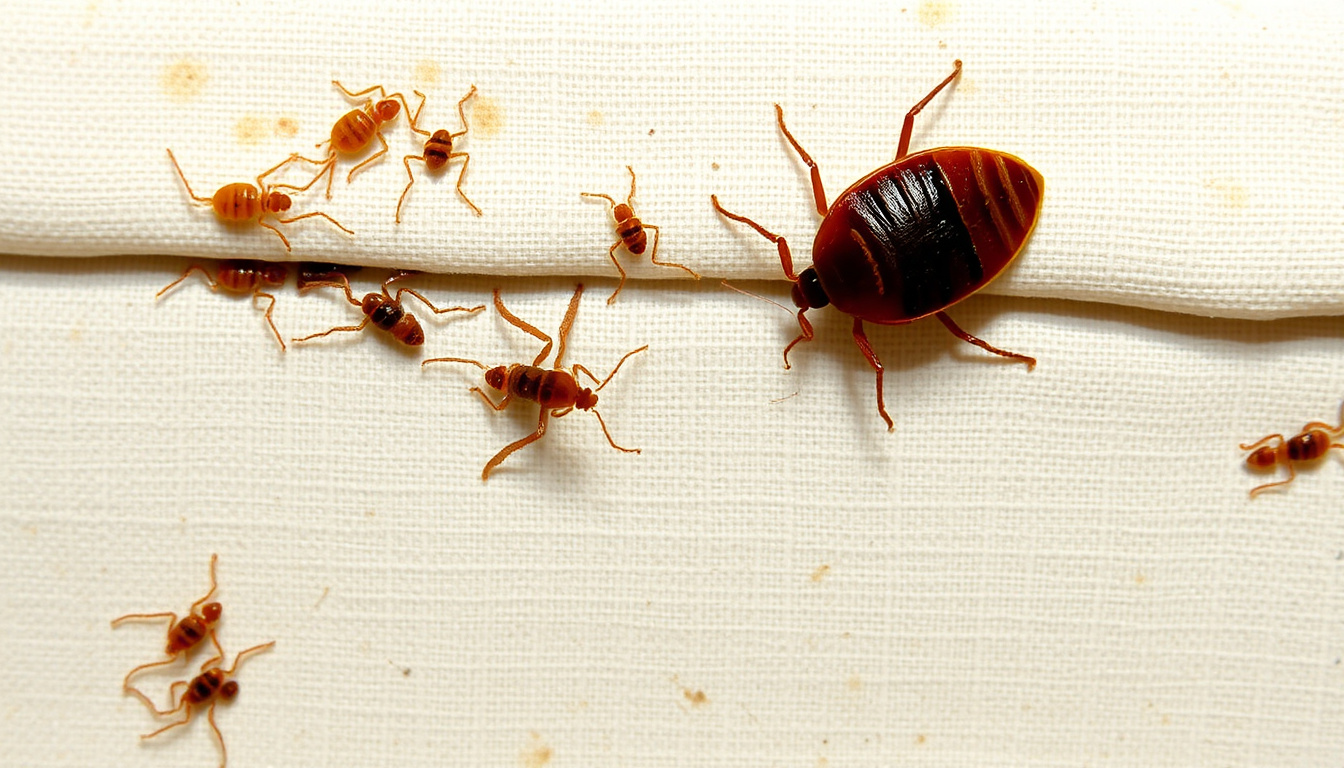
- Adults are reddish-brown and become darker and more engorged after feeding.
- Nymphs (babies) are smaller, nearly colorless, and become red after feeding.
- Females lay 1–5 eggs per day, cementing them in cracks and crevices.
Understanding their size helps with inspection; a single bug is a warning, but not necessarily a crisis.
“No single product guarantees immediate complete elimination. A follow‑up inspection and possible second treatment are often necessary 10–14 days later to catch newly hatched bugs.” — US Environmental Protection Agency (source)
The implication: early detection reduces the need for extensive treatment later.
What do you do if you find a bed bug?
Your heart might be racing, but the first step is to resist the urge to fumigate with everything you own. Panic leads to hasty decisions that can spread the problem, so let’s focus on a methodical approach.
The immediate priority is to confirm your suspicion and then contain the situation to prevent the bugs from spreading to other rooms.
Your First 24 Hours
- Do not sleep in a different room; this can delay detection and spread bugs to new areas.
- Remove bedding and clothing and wash them in hot water (at least 120°F) and dry on the highest heat setting.
- Vacuum thoroughly, focusing on the seams and tufts of your mattress, the box spring, and the perimeter of the room.
While vacuuming is effective at removing visible bugs and many eggs, it is not a standalone solution.
The catch: washing alone generally will not kill bed bugs. The heat of the dryer is what does the trick, making the drying cycle as crucial as the wash itself. (US EPA)
“The agitation of washing and the heat of the dryer (at least 45 minutes on high) will kill all life stages of bugs that are on the bedding.” — US Environmental Protection Agency (source)
Washing and vacuuming remove visible adults and some eggs, but they cannot reach the bugs hiding inside your mattress or walls. US EPA: Bed Bug Prevention, Detection and Control confirms that these are first steps, not cures, against a resilient pest.
What this means: containment is critical before attempting full removal.
What kills bedbugs immediately?
When it comes to treatment, the evidence points toward a multi-pronged approach rather than any single magic bullet. This is where the myth of the “instant fix” dies, and practical, integrated pest management (IPM) takes over.
Integrated Pest Management is a science-based approach that combines chemical, physical, and behavioral tactics to eradicate pests while minimizing risk to people and the environment.
What Actually Works
- Heat treatments: Professional whole-room heat treatments raise temperatures to over 122°F, killing all life stages. This is often the most effective option.
- Targeted insecticides: Apply products specifically labeled for bed bugs to crevices and cracks, where they hide. These are most effective when used in conjunction with preparation steps.
- Encasements: Cover your mattress and box spring with a high-quality, zippered encasement to trap bugs and make hiding spots impossible.
According to the US EPA (Environmental Protection Agency), no single product guarantees immediate complete elimination. A follow-up inspection and possible second treatment are often necessary 10-14 days later to catch newly hatched bugs.
“The CDC emphasizes a coordinated response for both bites and infestation control.” — Centers for Disease Control and Prevention (source)
The pattern: immediate killing requires professional-grade heat or direct contact insecticides, but true elimination demands persistence.
How to get rid of bed bugs
Thorough cleaning is the foundation: wash all fabrics on hot cycle, vacuum thoroughly, and declutter.
- Apply heat: use steamer on mattresses and furniture, or professional heat treatment.
- Use mattress encasements to trap bugs and prevent re-infestation.
- For severe cases, hire a licensed pest control professional.
- Do not use foggers; they can scatter bugs and worsen the infestation.
No single product guarantees immediate complete elimination; integrated pest management (IPM) is needed.
Which smell do bed bugs hate?
After the stress of an infestation, the next concern is ensuring it doesn’t happen again. Prevention is about vigilance, especially when traveling, but it’s also about discarding the myths that lead people astray.
- Myth: Do not use foggers (bug bombs); they often scatter the bugs and do not penetrate the crevices where they hide, making the problem worse. (US EPA)
- Myth: Bed bugs are not attracted to dirt; poor sanitation does not cause an infestation. They are attracted to warmth, blood, and carbon dioxide.
- Myth: Showering does not remove or deter bed bugs; they do not live on or in the body. They are nest-dwelling and hide in the environment.
While some essential oils like tea tree, peppermint, or neem are often cited as repellents, they are not a reliable cure or extermination method. They might offer a brief deterrent, but they will not kill eggs or stop a hungry bug from feeding.
Are bed bugs due to poor hygiene?
Bed bugs are not attracted to dirt; they are attracted to blood. Infestations occur regardless of cleanliness; travel and second-hand furniture are common sources. Good hygiene helps detect bugs earlier but does not cause infestations.
The paradox is that the fear of bed bugs can be worse than the bugs themselves. Because bites don’t transmit disease, the primary harm is the psychological stress and the loss of sleep. A measured, informed response is your best defense.
The catch: relying on smells or hygiene myths wastes time and money; physical barriers and heat are proven.
Summary: The Facts You Need to Remember
- Identification hinges on spotting physical evidence, not just bites.
- Immediate action means washing, drying on high heat, and vacuuming—not evacuating the room.
- Treatment is a process involving IPM, requiring patience and persistence.
- Prevention is about smart travel habits and not falling for myths that waste time and money.
By following these evidence-based steps, you can regain control and reduce the anxiety caused by bed bugs.
epa.gov, epa.gov, epa.gov, epa.gov, stacks.cdc.gov, epa.gov, epa.gov, epa.gov, epa.gov
Frequently Asked Questions
Are bed bugs visible to the naked eye?
Yes, adult bed bugs are visible, about the size of an apple seed (4-5 mm). Their nymphs are smaller but still visible as tiny, pale insects. A flashlight and a magnifying glass can be helpful for a thorough inspection.
What is the first thing to do if you have bed bugs?
Do not panic. Start by containing the situation: move bedding into a sealed plastic bag to wash and dry on high heat. Then, thoroughly vacuum your mattress, box spring, and the perimeter of the room. Avoid using any insecticides until you have a plan, as hasty spraying can scatter the bugs.
Can you get rid of bed bugs by washing your sheets?
Washing sheets alone will not kill all bed bugs because they hide in the mattress and crevices. However, it is a crucial step: the agitation of washing and the heat of the dryer (at least 45 minutes on high) will kill all life stages of bugs that are on the bedding.
Do bed bugs bite only at night?
Bed bugs are primarily nocturnal, but they are opportunistic. If they are hungry and you are in a dark room, they will feed. In heavy infestations, they may feed during the day, especially if they are disturbed in their hiding places.
What smells do bed bugs hate?
While some essential oils like tea tree, peppermint, or neem are often cited as repellents, they are not a reliable cure or extermination method. They might offer a brief deterrent, but they will not kill eggs or stop a hungry bug from feeding. Rely on heat and insecticide labeled for bed bugs instead.
How long until bed bugs show up after a bite?
The bite reaction time varies widely by person. Some people develop welts within 2-3 days, while others take up to 14 days to show a reaction. In fact, up to 30% of the population may not react to bites at all, which is why bite marks are not a reliable indicator of infestation.
Understanding these FAQs helps demystify bed bug behavior and reinforces the need for physical evidence.

George Thompson is Senior Reporter at UrbanMixr.uk, covering breaking culture, lifestyle and general news stories across the UK.