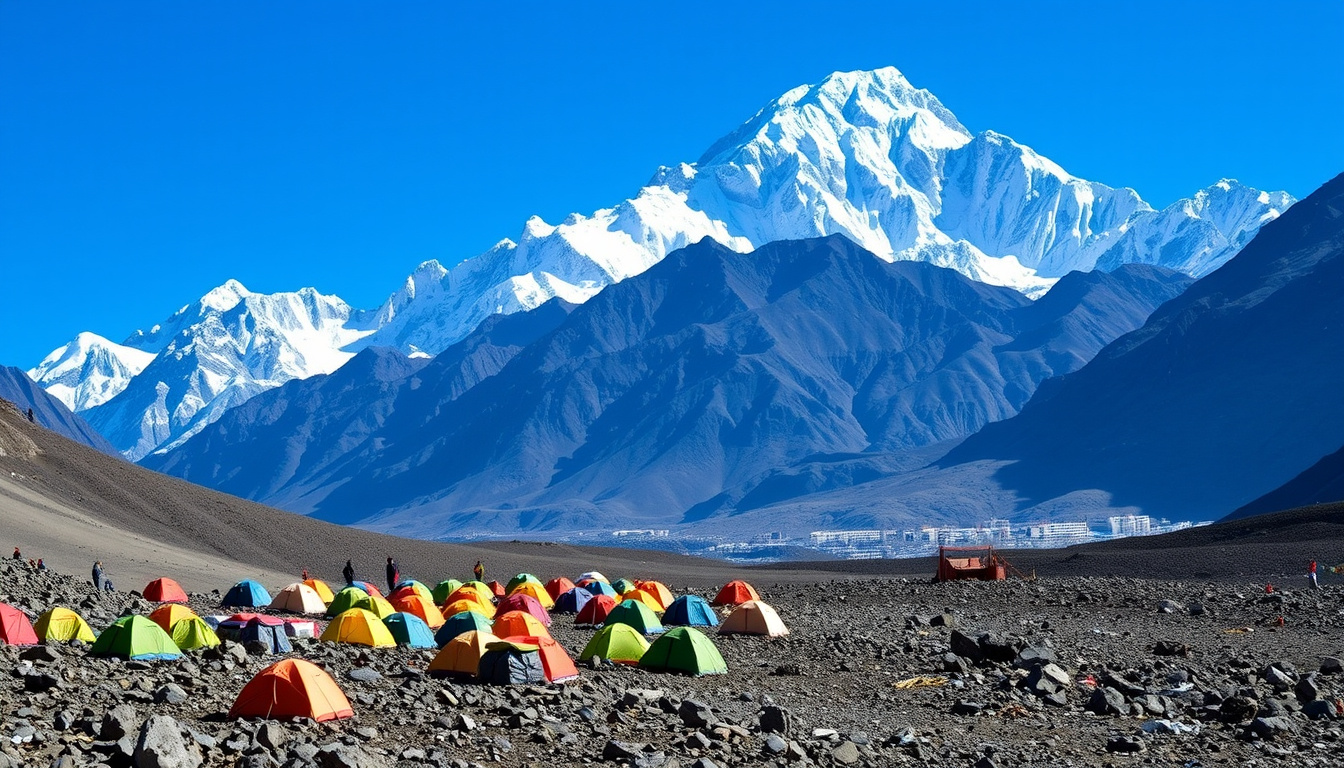
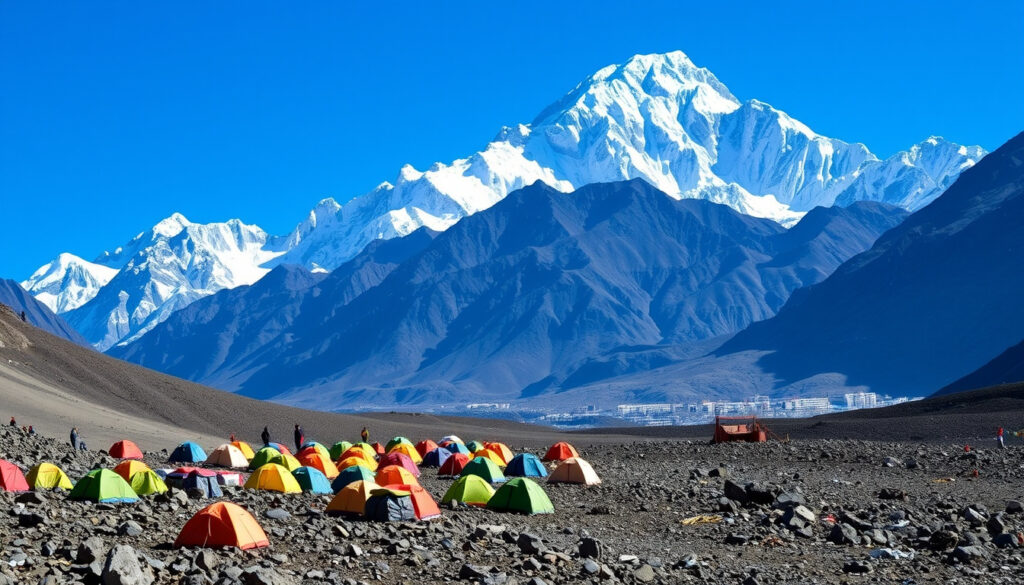
There’s a reason the Everest Base Camp trek sits on so many bucket lists, yet the questions around it rarely stop at “how high?” It’s about the real, non-Instagram reality: the physical toll, the unexpected costs, the rules that changed, and the days that break your spirit before the views reward you. This guide cuts through the travel-cliché noise to give you a fact-checked, honest breakdown of difficulty, logistics, and the choices that will actually shape your trek.
Everest Base Camp altitude: 5,364 m (17,598 ft) ·
Typical trek duration: 12–15 days (round trip from Lukla) ·
Average cost (guided trek): $1,200 – $3,000 ·
Oxygen level at Base Camp: ~50% of sea level ·
Fastest known time (Lukla to Base Camp): 8 hours 10 minutes ·
Recommended season: March–May and September–November
Quick Snapshot
- Nepal Guide Trekking describes it as a moderate trek with high altitude risks
- Places Nepal notes it is beginner-friendly with guided support
- Acclimatization days are mandatory (Nepal Guide Trekking)
- Physical fitness training recommended (Nepal Guide Trekking)
- Trek and Tour Nepal lists guided treks $1,200–$3,000
- Independent trekkers $600–$1,000 (Trek and Tour Nepal)
- Permits and Lukla flights extra (Trek and Tour Nepal)
- Gear rental available in Kathmandu (Trek and Tour Nepal)
- March–May: clear skies, moderate temperatures
- September–November: stable weather, best views
- Avoid monsoon (June–Aug) and winter (Dec–Feb)
- Altitude sickness is the main risk
- Oxygen levels ~50% of sea level
- Proper acclimatization reduces danger
- Travel insurance covering helicopter evacuation is essential
The table below lays out the core numbers every trekker needs to know.
| Key Fact | Detail |
|---|---|
| Peak elevation on trek | Kala Patthar: 5,645 m (18,519 ft) |
| Base Camp altitude (Nepal side) | 5,364 m (17,598 ft) |
| Typical trek duration | 12–15 days round trip |
| Average guided cost | $1,200 – $3,000 |
| Oxygen saturation at Base Camp | ~50% of sea level |
| Minimum duration to summit from Base Camp | 4–6 weeks |
The implication: these numbers represent the minimum baseline, not the full story.
How Hard Is It to Climb to Everest Base Camp?
The trek to Everest Base Camp is less about technical climbing and more about endurance and altitude management. Most guides classify it as a moderate-to-demanding trek, not a mountaineering expedition. Nepal Guide Trekking describes the route as a long, non-technical high-altitude walk.
The difficulty breakdown below shows what you are up against.
| Aspect | Details |
|---|---|
| Trek Type | Non-technical, high-altitude walk |
| Intensity | Moderate to demanding |
| Key Factor | Altitude, not technical difficulty |
The implication: for a reasonably fit person, the challenge is not the climb but the altitude. Your body must acclimatize to the thinning air, where oxygen levels are about half of what they are at sea level.
Can a Beginner Do the Everest Base Camp Trek?
Yes, with caveats. Beginners can complete the trek if they prepare properly. This means months of prior training, a guided trek to manage logistics, and a flexible schedule that allows for altitude acclimatization.
- According to Places Nepal, the trek is a long, non-technical high-altitude walk that most reasonably fit people can complete.
- The key for beginners is choosing a trek with adequate rest days and trusting a professional guide.
Which Is Harder, Kilimanjaro or Everest Base Camp?
Everest Base Camp is generally considered a longer and more logistically complex trek than Kilimanjaro due to the altitude profile and the number of days. However, Kilimanjaro’s summit night is a single, long push to a much higher altitude (5,895 m vs. EBC’s 5,364 m).
One is a longer commitment with more ups and downs; the other is a shorter, more intense altitude exposure on summit night.
The pattern: choosing between them means deciding which kind of suffering you prefer.
How Much Does It Cost to Base Camp on Everest?
Cost is one of the most variable factors. The price depends on the level of service, the operator, and whether you’re going guided or independent. A published 2026 cost comparison places budget EBC packages around USD 800 to 1,200 base price.
The table below compares the main package tiers.
| Cost Type | Price Range (USD) | Source |
|---|---|---|
| Budget Guided Package | $800 – $1,200 | Trek and Tour Nepal |
| Mid-Range Package | $1,500 – $2,200 | Trek and Tour Nepal |
| Premium Package | $2,500 – $4,500+ | Trek and Tour Nepal |
| Full-Service Guided (Estimate) | $1,200 – $2,500 | Enticing Himalayas |
A separate Nepal agency guide estimates a full-service guided EBC trek through a registered Nepali agency at about USD 1,200 to 2,500, depending on inclusions and group size.
Here’s the catch: the true total cost varies significantly by operator and season. Add permits, Lukla flights ($300–$500 round trip), and other fees to reach a realistic total.
For a budget trekker, the real cost is likely to be between $1,400 and $1,700 once all incidentals are counted.
Another guide estimates a realistic total for a budget EBC package at about USD 1,400 to 1,700 once flights, tips, and extras are included.
Permit costs are a separate line item. A permit guide from Infor Nepal states that the Sagarmatha National Park entry permit is NPR 3,000 for foreign nationals.
The same source states the Everest region permit workflow can be handled online through a registered trekking agency via the TIMS portal.
A 2026 permit guide from Travel Himalaya Nepal states that foreigners need a Sagarmatha National Park permit and a Khumbu Pasang Lhamu Rural Municipality permit, with a combined cost around NPR 6,000.
Those numbers are already out of date. A competing 2026 guide from Mount Elegance Treks says the Khumbu Pasang Lhamu Rural Municipality permit is priced at NPR 2,000 per person, while another says it’s NPR 3,000, producing a higher combined estimate.
How Long Is the Everest Base Camp Trek?
The standard trek from Lukla to Everest Base Camp takes 8–12 days, with 12–15 days round trip. This includes time to acclimatize and rest. The fastest recorded time from Lukla to Base Camp is 8 hours 10 minutes, a record set by a trail runner.
The table below shows the standard duration breakdown.
| Segment | Duration |
|---|---|
| Lukla to Base Camp (One Way) | 6–8 days |
| Base Camp to Lukla (Return) | 4–5 days |
| Total with Acclimatization | 12–15 days |
The meaning: 12–15 days is the sweet spot for most people. It’s a time commitment that should not be rushed, especially if you want to avoid altitude sickness. The fastest time ever recorded is a testament to human endurance, but it is not a realistic goal for a typical trekker.
What Is the Hardest Day of the EBC Trek?
The hardest day is often the ascent to Kala Patthar (5,645 m / 18,519 ft) or the long descent from Gorak Shep. The climb to Kala Patthar is a steep, rocky grind on a day where you’re already exhausted and the air is thin.
For many trekkers, the most challenging part is the sheer number of consecutive days of walking combined with the altitude. The 2pm rule on Mount Everest is a safety guideline: climbers aiming for the summit must turn back if they have not reached the summit by 2pm to avoid dangerous afternoon weather.
The hardest days are the ones where you are tackling altitude gain, not the distance. It’s not the trekking; it’s the lack of oxygen.
The catch: planning for the hardest day means preparing mentally for the oxygen debt, not just the mileage.
When Is the Best Time to Trek to Everest Base Camp?
The best months for trekking to Everest Base Camp are March–May (spring) and September–November (autumn). These seasons offer the most stable weather, clear skies, and the best mountain views.
- March–May: Warmer, but can be hazy. Great for seeing the mountains.
- September–November: Often considered the best time due to clear skies after the monsoon.
- June–August: Monsoon season; heavy rain, poor visibility, trail closures. Not recommended.
- December–February: Winter; severe cold, snow risks, limited services.
Why this matters: the weather window is not just a convenience; it’s a safety issue. The monsoon can close trails, and winter conditions are life-threatening.
The implication: choose your season carefully, as it directly affects your safety and enjoyment.
What Is the Everest Base Camp Altitude and Oxygen Level?
Everest Base Camp (Nepal side) sits at 5,364 m (17,598 ft). At this altitude, the oxygen level is about 50% of that at sea level. Your body’s ability to absorb oxygen is significantly reduced, which is the root cause of altitude sickness.
The table below shows the key altitude markers on the trek.
| Location | Altitude |
|---|---|
| Everest Base Camp (Nepal) | 5,364 m (17,598 ft) |
| Kala Patthar | 5,645 m (18,519 ft) |
| Camp 1 (South Col Route) | 6,065 m (19,898 ft) |
The oxygen level at Base Camp is roughly half of sea level, which can be dangerous if you don’t acclimatize. The 2pm rule is a life-saving guideline for climbers, but for trekkers, the principle is the same: spend enough time acclimatizing, and know your limits.
You walk all day to get to a place where you breathe in half the oxygen you’re used to, and then you’re expected to sleep there.
The pattern: altitude management, not distance, is the real challenge of this trek.
Confirmed Facts vs. What’s Still Unclear
Confirmed Facts
- Everest South Base Camp altitude is 5,364 m (17,598 ft).
- The standard trek takes 12–15 days round trip.
- Oxygen level at Base Camp is roughly 50% of sea level.
What’s Unclear
- Exact cost varies significantly by operator and season.
- Fastest time to Base Camp is disputed; multiple records exist.
- Oxygen level can fluctuate with weather and barometric pressure.
Voices from the Trek
“Your trekking time today will be approximately 4 hours or 10 km.”
Intrepid Travel (itinerary description)
“South Base Camp is in Nepal at an altitude of 5,364 m.”
Wikipedia (Everest Base Camp entry)
“The trek reaches 18,520 ft on Kala Patthar and covers 7–8 hours on challenging days.”
Ian Taylor Trekking (blog)
Frequently Asked Questions
Do I need a guide for the Everest Base Camp trek?
As of 2023, foreign trekkers in Nepal’s Everest region are widely reported to need a licensed guide or a registered trekking agency, though implementation is inconsistent. Nepal Intrepid Treks references this rule, but guides recommend hiring one for safety and logistics anyway.
What permits are required to trek to Everest Base Camp?
You need a Sagarmatha National Park permit (NPR 3,000 for foreigners) and a Khumbu Pasang Lhamu Rural Municipality permit (prices vary, often cited as NPR 2,000–3,000). A 2026 guide from Travel Himalaya Nepal suggests a combined cost of around NPR 6,000.
How fit do I need to be for the Everest Base Camp trek?
You don’t need to be an athlete, but you should have good cardiovascular fitness and strong legs. The trek is a non-technical walk, but you’ll be walking for 6-8 hours a day for two weeks. Himalayan Glacier describes it as moderate-to-demanding with proper preparation.
What gear should I pack for Everest Base Camp?
Layers, a good pair of broken-in trekking boots, a down jacket, a warm sleeping bag rated for -20°C, and all necessary warm layers. Gear rental is available in Kathmandu.
Is travel insurance mandatory for the trek?
Yes, at least practically speaking. Given the risk of altitude sickness and the need for possible helicopter evacuation, having insurance that covers high-altitude trekking up to 6,000m is essential.
Can I fly directly to Lukla from Kathmandu?
Yes. Nearly all standard EBC treks begin with a flight from Kathmandu to Lukla, a small and often challenging airstrip. The return flight is usually also from Lukla.
What are the symptoms of altitude sickness to watch for?
Headaches, nausea, dizziness, fatigue, and loss of appetite. In severe cases, it can progress to HAPE or HACE, which can be fatal. The 2pm rule is a guide norm that helps avoid dangerous afternoon weather conditions.
Related Reading
For more on the physical and financial planning, you might be interested in the Everest Base Camp trek difficulty guide and the cost comparison for base camp treks.
The bottom line: prepare for the altitude, budget for the hidden costs, and respect the season — the mountain will reward your planning.

George Thompson is Senior Reporter at UrbanMixr.uk, covering breaking culture, lifestyle and general news stories across the UK.