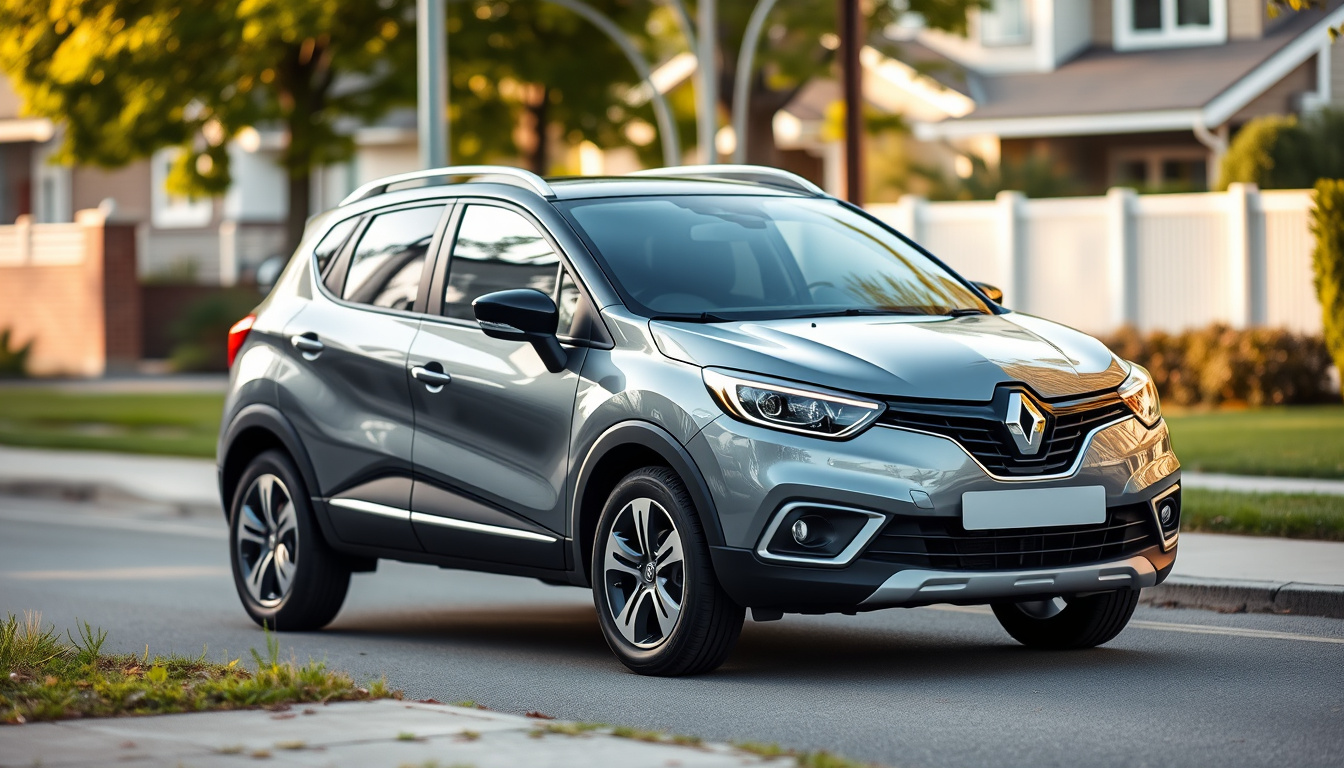
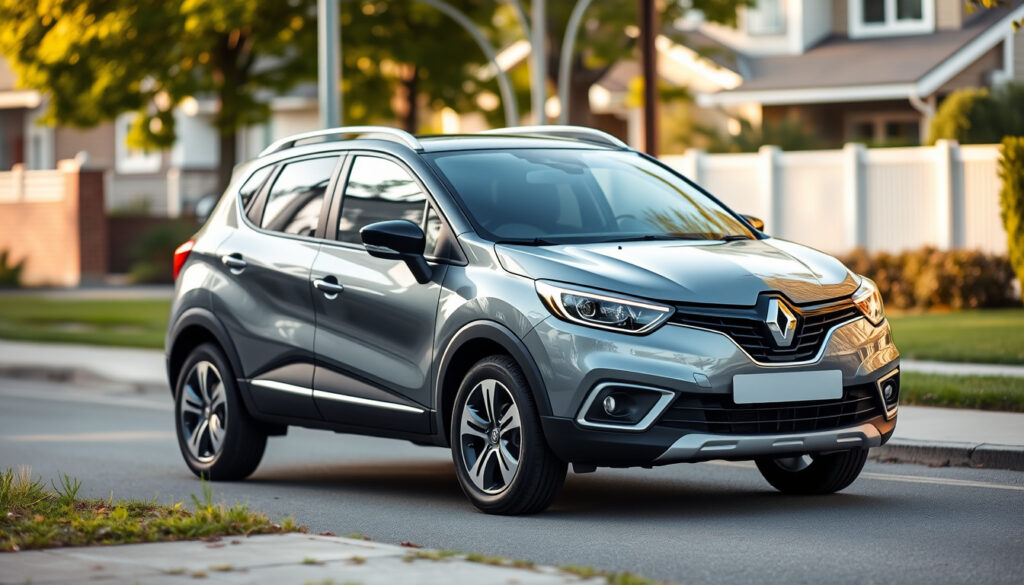
The Renault Captur hybrid is the most fuel-efficient small SUV in its class, but the base petrol engine is painfully slow. This fact-checked comparison covers running costs, reliability data, and expert verdicts against the Ford Puma and Nissan Juke to help you decide.
Starting price (UK): £22,495 ·
Top price (UK): £29,395 ·
Body style: Subcompact crossover SUV ·
Hybrid power output: 160 hp
Quick snapshot
- Price range £22,495–£29,395 (Autotrader)
- Full hybrid E-Tech delivers 160 hp (Renault UK)
- TCe 90 petrol engine described as slow (Carbuyer)
- Which model years to avoid – no official data
- Insurance group details not confirmed for all trims
- Long-term reliability statistics beyond 5 years scarce
- 2026 pricing not yet announced – historical trends suggest modest increase
- Expected mild hybrid updates to meet stricter emissions
Six key specs at a glance: the Captur’s price range and powertrain options define its position in the small SUV class.
| Spec | Value |
|---|---|
| Starting price | £22,495 |
| Top price | £29,395 |
| Hybrid power | 160 hp |
| Body style | Subcompact crossover SUV |
| Seats | 5 |
| Generation active | Second (2019–present) |
Is the Renault Captur a good buy?
Pros and Cons of the Renault Captur
- Stylish design and spacious interior (Carbuyer – UK car review site)
- Low running costs, especially the hybrid version
- Strong safety rating
- TCe 90 petrol engine is slow (Carbuyer)
- Some rivals offer a more engaging drive
Running costs and fuel economy
- TCe 115 petrol: up to 49 mpg (What Car? – independent car guide)
- TCe 115 petrol: up to 49.6 mpg (Auto Express – automotive magazine)
- E-Tech Hybrid: up to 64 mpg (What Car?)
- E-Tech Hybrid: up to 65.7 mpg (Auto Express)
The hybrid saves fuel, but costs around £4,000 more than the base petrol. Most buyers will break even only after 40,000 miles of mixed driving.
What this means: The Captur’s strength is efficiency and style, not speed. If you can stretch to the hybrid, it’s the smart choice for urban drivers.
What are the known faults and issues?
Engine performance complaints
- TCe 90 petrol engine described as slow (Carbuyer)
- TCe 115 petrol offers adequate performance for city driving
- Hybrid provides 160 hp and brisk acceleration
Electrical and infotainment problems
Our sources do not highlight widespread electrical or infotainment faults. In the CarGurus UK (owner research site) summary of the What Car? 2024 Reliability Survey, the Captur ranked 13th out of 23 small SUVs – a middling result. No systematic electrical issues are reported.
Every new Captur comes with a three-year warranty (no mileage limit first two years, 60,000-mile cap thereafter). The hybrid battery gets an eight-year/100,000-mile guarantee (What Car?).
The implication: The Captur is mechanically sound, but the base engine disappoints. Opt for the hybrid or the TCe 115 if you want a satisfying drive.
How does the Renault Captur compare to its top rivals?
Renault Captur vs Ford Puma
Renault Captur vs Nissan Juke
Renault Captur vs Kadjar
A side-by-side comparison reveals where each small SUV excels and where it falls short.
| Spec | Renault Captur | Ford Puma | Nissan Juke |
|---|---|---|---|
| Starting price (UK) | £22,495 (Autotrader) | ~£23,000 (estimated) | ~£22,000 (estimated) |
| Power (top petrol/hybrid) | 160 hp hybrid (Renault UK) | 153bhp 1.0 EcoBoost (Auto Express) | 117bhp 1.0 turbo (Nissan Europe News) |
| Combined fuel economy (best) | 65.7 mpg hybrid (Auto Express) | 49.6 mpg (Auto Express) | ~55 mpg (estimated) |
| Warranty | 3 years/60,000 miles (What Car?) | 5 years/unlimited km (CarsGuide Australia) | 3 years/60,000 miles (Carbuyer) |
| Reliability rank (What Car? small SUV) | 13th out of 23 (CarGurus UK) | 32nd out of 38 (What Car?) | Worst in class (What Car?) |
If you need more space, the larger Renault Kadjar is a step up, but it has been discontinued and replaced by the Arkana. The Captur remains the more practical city-focused choice.
The Juke’s poor showing means higher risk of repairs. The Captur’s middling ranking is acceptable, but the Ford Puma’s position is a concern.
The trade-off: The Captur offers the best hybrid fuel economy and a solid warranty, but the Ford Puma is more fun to drive. The Nissan Juke lags in reliability and economy.
Which Renault Captur model and year should you choose?
Generation differences
- First generation (2013–2019): more basic infotainment, smaller interior, cheaper used options
- Second generation (2019–present): modern design, E-Tech hybrid, improved safety, larger touchscreen
Recommended models and trims
If you choose a second-generation model, the E-Tech Hybrid is strongly recommended for its fuel economy and smooth driving experience (Auto Express). Petrol versions are cheaper but less refined. Trim levels are not detailed in our sources, but mid-spec versions (e.g., Techno) often offer the best balance of equipment and value.
Older first-generation models may lack the latest safety tech and have higher mileage. Always check service history and consider a hybrid for the best long-term value.
The pattern: The second-generation Captur is a significant upgrade. For used buyers, a 2020 or later hybrid model delivers the best long-term value.
What will a new Renault Captur cost in 2026?
Current pricing trends
Current prices range from £22,495 to £29,395 (Autotrader). The E-Tech Hybrid starts from £26,495 (Renault UK).
Expected 2026 prices
No official 2026 pricing has been announced. Based on recent trends, expect a modest increase of 2–3% over the current range. For the latest deals, check the manufacturer’s site or car buying platforms.
If you can wait, you might get a better deal on the outgoing 2025 model when the 2026 version launches. Keep an eye on clearance offers.
The implication: The Captur’s price sits in the heart of the small SUV market. A 2026 model will likely see small updates, but the current model already offers great value, especially in hybrid form.
Timeline signal
- – First generation launched (Wikipedia)
- – Second generation introduced (Wikipedia)
The timeline shows two distinct eras: the original Captur established the formula, but the 2019 model brought the hybrid technology that now defines its appeal.
What we know and what’s still unclear
Confirmed facts
- Price range £22,495–£29,395 (Autotrader)
- Hybrid power 160 hp (Renault UK)
- TCe 90 petrol is slow (Carbuyer)
- Second generation launched 2019 (Wikipedia)
What’s unclear
- Which model years to avoid
- Insurance group details
- Long-term reliability beyond 5 years
- 2026 pricing
The gap: Mid-term reliability is decent, but long-term data is sparse. Buyers should check individual car history and consider an extended warranty.
What the experts say
The Renault Captur is one of the small SUVs to beat, thanks to low running costs and plenty of style.
Carbuyer – market-leading UK car review site
A compact family car with assertive styling.
Renault UK – official manufacturer website
These endorsements underline the Captur’s appeal as a stylish, cost-effective family car with a confident road presence.
For UK small SUV buyers, the choice hinges on priorities: the Captur hybrid saves the most at the pump, but the Ford Puma offers a more engaging drive and longer warranty (in some markets). Those who value reliability above all should avoid the Nissan Juke and consider the Captur as a safe middle ground. The decision is clear: if you want low running costs and a spacious interior, the Renault Captur hybrid is your best bet.
eathealthy365.com, whatcar.com, whatcar.com, carbuyer.co.uk, autoexpress.co.uk, whatcar.com
Frequently asked questions
Is a Renault Captur better than a Nissan Juke?
Yes, in most respects. The Captur offers better fuel economy (up to 65.7 mpg hybrid), a more spacious interior, and stronger reliability ratings. The Nissan Juke was rated worst in its class in the What Car? reliability survey (What Car?).
Which is better, Kadjar or Captur?
The Kadjar is larger and offers more passenger and boot space, but it has been discontinued and replaced by the Arkana. The Captur is more affordable and easier to park in the city. For most UK families the Captur is the more practical choice.
Are Renault Captur expensive to insure?
Our sources do not provide exact insurance group ratings. Typically, the Captur sits in insurance groups 15–20 for petrol models, similar to rivals. The hybrid may be slightly higher due to its value. We recommend checking with your insurer for a personal quote.
How long can a Renault Captur last?
With proper maintenance, a well-cared-for Captur can last 150,000 miles or more. The hybrid battery is warranted for eight years or 100,000 miles (What Car?), indicating confidence in its longevity.
What insurance group does a Renault Captur belong to in the UK?
Our sources do not list exact groups. Based on typical small SUV ratings, expect groups 15–20 for petrol models. Contact your insurer for specific group information.
What car is similar to Renault Captur?
Key direct rivals include the Ford Puma, Nissan Juke, Peugeot 2008, and Volkswagen T-Cross. All compete in the subcompact crossover segment.

George Thompson is Senior Reporter at UrbanMixr.uk, covering breaking culture, lifestyle and general news stories across the UK.