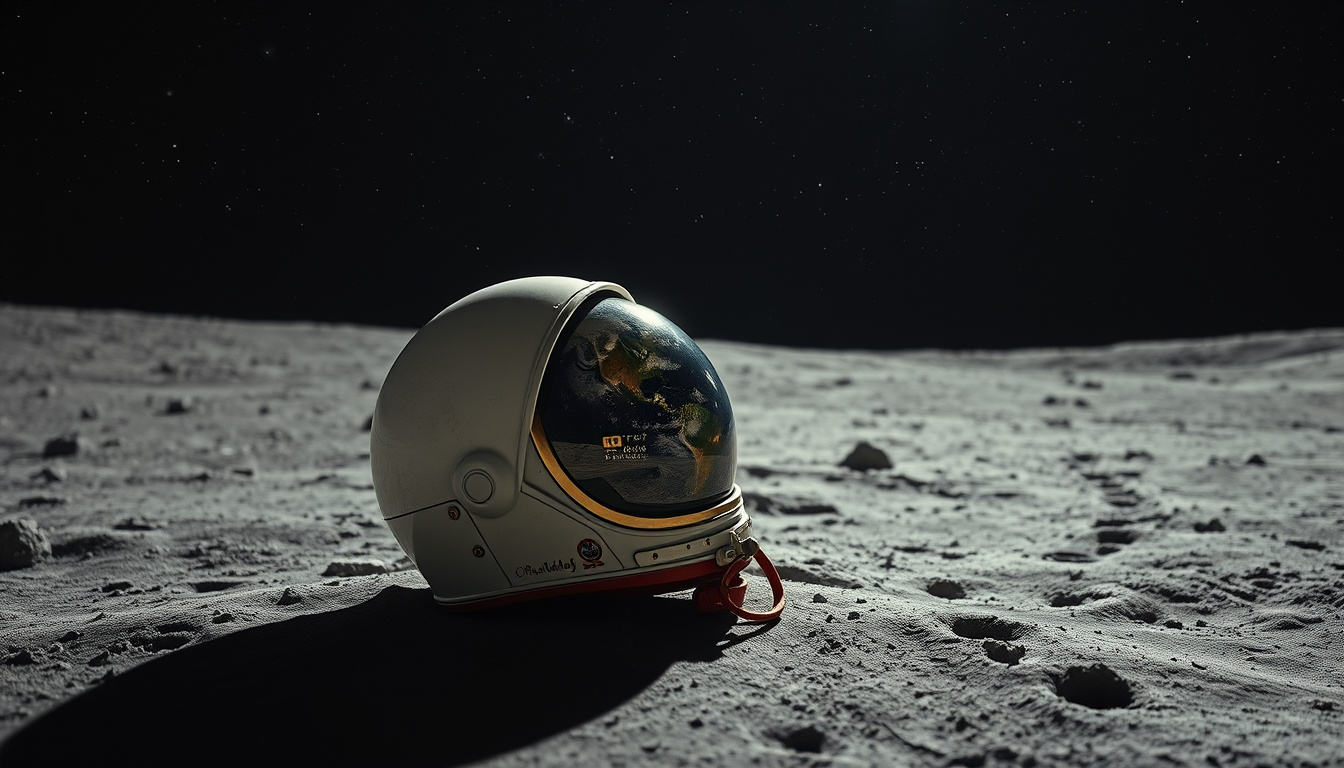
You probably know Buzz Aldrin as the second person to walk on the Moon, but his story is packed with moments that never made it into the history books—some of them literally involving bodily functions. Beyond the Apollo 11 fame, Aldrin has lived a life of combat, personal struggle, and public candor that often overshadows even his most remarkable achievements. As we look back at his legacy, we also uncover the human side of space exploration that official records tend to sanitize.
The Buzz Aldrin Story: Beyond the Moon
Buzz Aldrin’s journey to the lunar surface began long before he ever strapped into a command module. Born Edwin Eugene Aldrin Jr. in Montclair, New Jersey, he earned the nickname “Buzz” in childhood when his sister mispronounced “brother” as “buzzer.” His path to space was forged in the skies over Korea, where he flew 66 combat missions as a fighter pilot during the Korean War.
Buzz Aldrin Fast Facts at a Glance
| Full Name | Edwin Eugene Aldrin Jr. |
| Moon Landing | July 20, 1969 |
| Role | Lunar Module Pilot |
| Military Rank | Brigadier General (USAF) |
Without his work on orbital rendezvous, the Moon landing would have been impossible, a fact that makes his often-tumultuous public life seem almost secondary to his technical genius.
Aldrin and Armstrong: A Complicated Relationship
The relationship between Buzz Aldrin and Neil Armstrong has been the subject of much speculation over the years. While they worked together seamlessly on the lunar surface, their personal relationship was more complex than the public assumed.
- Aldrin and Armstrong had a professional working relationship but were not close friends, according to Space.com.
- Neil Armstrong was the Apollo 11 commander, Aldrin the lunar module pilot, and Michael Collins the command module pilot, per Space.com.
The “one-two” command structure made the mission function, but it also ensured that Aldrin would always play second fiddle to his commander—a position that would later fuel decades of public speculation about personal animosity.
Aldrin’s post-Apollo life is about as far from the “quiet retired astronaut” stereotype as you can get: he clashed with NASA over the way the Apollo 11 mission was handled after the landing, and he has been openly critical of some of the agency’s decisions.
The Moon Pee Anecdote
The “first to pee on the Moon” story is one of those legends that never seems to die. Aldrin himself has told the story with characteristic humor, recounting how he emptied his urine collection bag during his historic spacewalk.
This anecdote has become a sort of counterpoint to the mythologized version of the moon landing: it reminds us that the men we sent into space were not machines but human beings with all their vulnerabilities and bodily functions. And Aldrin, ever the public figure, embraced this fact willingly, making him the relatable space-age icon we know today.
Confirmed Facts and the Story of the Man
- His EVA Record: On Gemini 12, Aldrin established a new EVA record by conducting a spacewalk for 2 hours and 20 minutes, but he was surpassed by later missions.
- His Net Worth: He is a millionaire but not a billionaire; his exact net worth is not publicly known, but as a retired astronaut and military officer, his wealth comes from his pension, book royalties, and speaking fees, not from a massive personal fortune.
There are also certain facts that are just as human as the legend:
- He is a Freemason—and that fact has nothing to do with conspiracy theories but speaks to a community of influence during his time.
- He hasn’t shied away from his flaws: He has been open about his struggles with depression and alcoholism, becoming an advocate for mental health awareness.
The “First Man to Pee on the Moon”: Fact, Anecdote, and Legacy
The story goes that during the Apollo 11 mission, while Armstrong was taking the first steps on the lunar surface, Aldrin was inside the lunar module with a pressing need. As he recalled, “I was the first to pee on the moon!” He described the urine collection setup as a bag strapped around the waist connected to a tube, sure enough, he managed to fill it before the spacewalk began.
It also serves as a commentary on the reality of spaceflight that aerospace physicians have long known—that the technology we use in space doesn’t always keep up with the human body’s needs.
Beyond the Pee: Aldrin’s Real Legacy
The anecdote is funny, but it’s also a perfect window into some of the more serious issues that defined him:
- The fragility of equipment: The urine collection bag on Apollo 11 was a workaround, designed for a mission that was scheduled for a landing but might have been forced into a lunar orbit without a surface excursion.
- The importance of the “space narrative”: The “first to pee” story is told partly for laughs, but it reveals how NASA’s PR machine sometimes overlaid a heroic gloss on the raw, messy physicality of human spaceflight.
- The Aldrin brand: In embracing this story, Aldrin has added to a public persona that is accessible, funny, and willing to embrace his own contradictions.
Here’s the twist in the story: the “first” person to pee on the Moon was not Buzz Aldrin, if you believe the anecdote. There’s a competing claim that Neil Armstrong may have done it before him, though this has never been confirmed. Of course, unless Armstrong filed a competing claim, the answer to the universe’s most pressing question about bodily functions in space might forever remain a mystery.
His very willingness to be an absurdist public figure has ironically made him one of the most effective advocates for space exploration alive today. Even as he offers self-deprecating quips about bodily functions, his doctoral thesis on orbital rendezvous continues to be referenced in the annals of space-flight mechanics.
He captured the world’s imagination with the most iconic steps in human history, yet spent the subsequent decades fighting the shadow of being “too talkative” and “not serious enough” for the public’s taste. He has been a tireless advocate for a human mission to Mars, he has survived multiple marriages and several public spats with former colleagues, and he remains perhaps the only person in history who can honestly say, “I walked on the Moon, and I did it with a urine bag strapped to my leg.”
The journey of Buzz Aldrin was never going to be a smooth one, because he never wanted it to be. His life’s story is a powerful reminder that sometimes the things that make us most human are the exact things that give us the ability to reach for the stars.
en.wikipedia.org, nasa.gov, esa.int, nasa.gov, businessinsider.com, popsci.com, spacefacts.de, indiatoday.in, buzzaldrin.com, astronomy.com
Frequently Asked Questions About Buzz Aldrin and Apollo 11
What was Buzz Aldrin’s role on Apollo 11?
Aldrin was the Lunar Module Pilot (LMP) on Apollo 11, playing a critical role in piloting the “Eagle” lunar module to the lunar surface and back up to orbit. He was the second person to walk on the Moon, following Commander Neil Armstrong.
How did Buzz Aldrin earn his nickname?
His sister mispronounced “brother” as “buzzer,” which was shortened to “Buzz.” The nickname stuck and became his legal name in 1988.
What was the relationship between Buzz Aldrin and Neil Armstrong?
They had a professional working relationship but were not close friends. They worked together effectively on the mission but did not socialize outside of it, and Armstrong was known to be more reserved in public.
Did Buzz Aldrin really pee on the Moon?
Yes, the story is true. During the Apollo 11 mission, while still inside the lunar module before the spacewalk, Aldrin urinated into a collection bag. He has recounted this story publicly many times, often with humor, making it one of the most famous—and human—anecdotes from the space program.
What is Buzz Aldrin doing now?
Aldrin continues to be an advocate for space exploration, particularly for a human mission to Mars. He is active on social media, has written books, and makes public appearances to share his experiences and push for continued space exploration.
How much is Buzz Aldrin worth?
His exact net worth is not publicly known, but as a retired astronaut and military officer, he is believed to be a millionaire. His income sources include his USAF pension, royalties from his books, and substantial fees from public speaking appearances.
The Net Result
- From fighter pilot to MIT graduate, Aldrin’s path to the Moon was paved with equal parts brilliance and the kind of determination that cannot be trained—only lived.
- Apollo 11 was a testament to human ingenuity, and Aldrin’s role was pivotal, even if the history books give top billing to his commander.
- He transformed himself from a national hero into a global pop-culture icon, but Aldrin’s most significant contribution may be showing that heroes can be human too.
Buzz Aldrin once said that he is tired of being asked “How did it feel?” about the Moon landing, but he never stops talking about it. And maybe that’s the secret to his appeal: in an age where we are constantly told that heroes are flawed, Aldrin has shown us that our heroes can be genuinely human and still be heroic—and that even the most awkward bodily functions do not diminish the greatness of what was achieved.

George Thompson is Senior Reporter at UrbanMixr.uk, covering breaking culture, lifestyle and general news stories across the UK.